
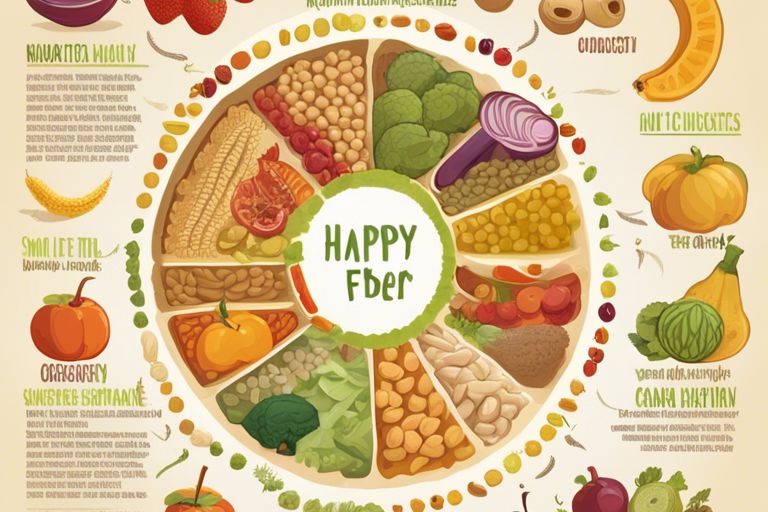
Digestive health is crucial for overall well-being, and fiber plays a vital role in maintaining a healthy digestive system. Fiber aids in digestion by promoting regular bowel movements, preventing constipation, and reducing the risk of developing gastrointestinal disorders such as colon cancer. Additionally, fiber helps maintain a healthy weight and lowers cholesterol levels, contributing to a decreased risk of heart disease. Understanding the importance of fiber in our diet is essential for promoting gut health and overall wellness.
Key Takeaways:
- Fiber is Essential: It plays a crucial role in promoting digestive health by aiding in the movement of food through the digestive system.
- Types of Fiber: Soluble fiber helps with regulating blood sugar levels and cholesterol, while insoluble fiber adds bulk to stool and facilitates bowel movements.
- Benefits of Fiber: Including a variety of fiber-rich foods in your diet can prevent constipation, promote regularity, and support a healthy gut microbiome.

The Science of Fiber
Even though fiber has been a part of human diets for centuries, it is only in recent years that the scientific community has started to unravel its true impact on digestive health. Fiber is a type of carbohydrate that the body cannot digest, found in plant-based foods such as fruits, vegetables, whole grains, nuts, and seeds. The role of fiber in promoting digestive health has been the subject of extensive research, leading to a better understanding of its mechanisms and benefits.
Types of Dietary Fiber
Even within the realm of dietary fiber, there are different types that can be classified based on their solubility in water. Soluble fiber dissolves in water to form a gel-like substance, which can help lower cholesterol levels and regulate blood sugar. On the other hand, insoluble fiber does not dissolve in water and adds bulk to the stool, promoting regular bowel movements.
- Cellulose: Found in whole grains, vegetables, and legumes
- Pectin: Found in fruits, especially apples and citrus fruits
- Chitin: Found in the exoskeletons of insects and crustaceans
- Resistant starch: Found in whole grains, seeds, and green bananas
- Inulin: Found in chicory root, onions, and garlic
Any dietary fiber can provide health benefits, but a combination of soluble and insoluble fiber is recommended for overall digestive health. Fiber-rich foods offer a range of nutrients and promote the growth of beneficial gut bacteria, which play a crucial role in maintaining a healthy digestive system.
Mechanisms of Fiber in the Gastrointestinal Tract
An understanding of the mechanisms of fiber in the gastrointestinal tract is essential for grasping its full impact on digestive health. Fiber acts as a prebiotic, fueling the growth of beneficial bacteria in the gut that aid in digestion and nutrient absorption. Additionally, fiber adds bulk to the stool, helping to prevent constipation and promoting regular bowel movements.
Any imbalance in fiber intake can lead to digestive issues such as constipation or diarrhea, highlighting the importance of a diverse and fiber-rich diet. By promoting a healthy gut microbiome and supporting optimal digestion, fiber plays a critical role in overall digestive health.

The Role of Fiber in Digestive Health
Benefits of Soluble and Insoluble Fiber
Any diet rich in fiber contributes significantly to digestive health. Both soluble and insoluble fiber play vital roles in maintaining a healthy gut. Soluble fiber dissolves in water to form a gel-like substance, which helps slow down digestion and regulate blood sugar levels. It also aids in the absorption of nutrients and promotes the growth of beneficial bacteria in the gut.
Insoluble fiber, on the other hand, adds bulk to the stool and facilitates regular bowel movements. This type of fiber acts as a natural laxative, promoting the efficient elimination of waste from the body. A combination of soluble and insoluble fiber in the diet can help prevent constipation, diarrhea, and other digestive issues.
The Microbiome and Fiber Interactions
The interaction between fiber and the microbiome is a crucial factor in digestive health. The gut microbiome consists of trillions of bacteria that play a key role in various physiological processes, including digestion, immune function, and even mood regulation. Fiber serves as a prebiotic, fueling the growth of beneficial bacteria in the gut and promoting a healthy microbiome.
The delicate balance of the microbiome can be disrupted by a lack of fiber in the diet, leading to dysbiosis and various digestive disorders. It is essential to consume an adequate amount of fiber to support the diversity and abundance of beneficial bacteria in the gut, ultimately leading to improved digestive health.
Dietary Recommendations and Fiber Intake
Not only is fiber essential for digestive health, but it also plays a crucial role in maintaining overall well-being. In this chapter, we will explore into the importance of dietary fiber and provide recommendations on how to increase fiber intake for optimal health.
Current Dietary Guidelines for Fiber
Dietary guidelines suggest that adults should consume around 25 to 30 grams of fiber daily to promote healthy digestion and prevent various chronic diseases. Fiber-rich foods such as whole grains, fruits, vegetables, and legumes are encouraged as part of a balanced diet to meet these recommendations. However, studies show that the majority of individuals fall short of meeting the recommended daily intake of fiber.
Strategies for Integrating Fiber into Modern Diets
Recommendations on increasing fiber intake involve incorporating more plant-based foods into meals. One effective strategy is to start the day with a high-fiber breakfast, such as oatmeal topped with fruits and nuts. Including a variety of fiber sources in meals, such as salads, soups, and whole grain dishes, can help boost fiber consumption throughout the day.
Modern lifestyles often prioritize convenience over nutrition, leading to diets low in fiber. To counteract this trend, individuals can opt for whole foods instead of processed items and choose snacks like fresh fruits, vegetables, and nuts to increase their fiber intake. Making gradual changes to incorporate more fiber-rich foods into daily eating habits can have significant benefits for digestive health and overall well-being.
Challenges and Future Research
Common Misconceptions and Challenges
Research in the field of fiber and digestive health faces several common misconceptions and challenges that hinder progress. One common misconception is that all fiber is the same, when in fact there are many different types of fiber with varying effects on digestion. This lack of understanding can lead to oversimplified recommendations and missed opportunities for optimizing digestive health.
Another challenge is the belief that fiber is only important for preventing constipation. While fiber does play a crucial role in promoting regularity, its benefits go far beyond just relieving constipation. Fiber has been linked to a reduced risk of chronic diseases such as heart disease, diabetes, and certain types of cancer, highlighting the need for a more holistic understanding of its impact on overall health.
Prospects for Fiber Research and Public Health
Research in the field of fiber and digestive health holds great promise for improving public health outcomes. Studies have shown that a diet rich in fiber can help reduce inflammation in the gut, support a healthy microbiome, and even influence mental health through the gut-brain axis. By continuing to explore the complex interactions between fiber, the gut microbiota, and overall health, researchers can uncover new ways to prevent and treat a wide range of chronic diseases.
Challenges in fiber research and public health include the need for more long-term studies that examine the effects of different types and sources of fiber on various health outcomes. Additionally, there is a lack of awareness among the general public about the importance of consuming an adequate amount of fiber in their diet. Addressing these challenges will require collaboration between researchers, healthcare providers, policymakers, and the public to promote the benefits of fiber for digestive health and overall well-being.
Concluding Reflections
Unlike other nutrients, fiber plays a unique and essential role in our digestive health. It is not digested or absorbed by the body, but rather acts as a crucial component in promoting proper digestion and gut function. The impact of fiber on our overall well-being cannot be overstated.
Research has shown that a diet rich in fiber can lower the risk of developing various digestive disorders, including constipation, diverticulitis, and even colon cancer. The ability of fiber to promote regular bowel movements and maintain a healthy gut microbiome is paramount in preventing these conditions.
Furthermore, fiber helps to regulate blood sugar levels and cholesterol, reducing the risk of diabetes and heart disease. By slowing down the absorption of sugar and fats in the digestive tract, fiber plays a key role in managing these chronic illnesses.
It is imperative that we prioritize our fiber intake in order to maintain optimal digestive health. Incorporating a variety of fiber-rich foods such as fruits, vegetables, whole grains, and legumes into our diet is essential for supporting the intricate balance of our digestive system.
In the long run, the role of fiber in digestive health is fundamental and should not be underestimated. By understanding and appreciating the importance of fiber, we can take proactive steps to improve our overall well-being and prevent a host of digestive issues in the future.
FAQ
Q: What is the role of fiber in digestive health?
A: Fiber plays a crucial role in digestive health by aiding in digestion and promoting regular bowel movements. It helps prevent constipation by adding bulk to the stool and making it easier to pass through the digestive tract.
Q: How does fiber benefit the digestive system?
A: Fiber helps maintain a healthy digestive system by promoting the growth of beneficial bacteria in the gut, which can improve overall gut health and reduce the risk of digestive disorders such as irritable bowel syndrome (IBS) and diverticulitis.
Q: What are good food sources of fiber?
A: Foods rich in fiber include fruits, vegetables, whole grains, legumes, nuts, and seeds. Consuming a variety of these foods can help ensure an adequate intake of fiber to support optimal digestive health.